
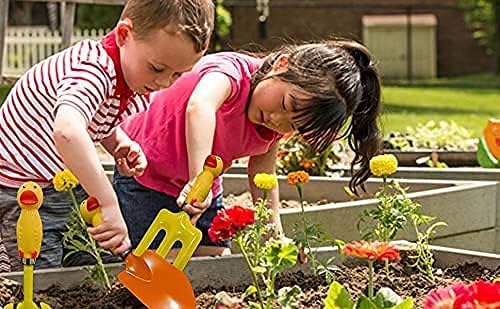
As winter melts away and spring peeks through with sunshine and blossoms, there’s no better time to step outdoors, get a little messy, and start planting something new. Spring gardening isn’t just about flowers and herbs—it’s an amazing hands-on way for children to learn, grow, and connect with the natural world.
Whether you have a large garden or a few pots on a balcony, gardening with young kids can plant the seeds for lifelong habits, curiosity, and confidence.
Why Gardening with Kids Is So Valuable
Gardening does more than grow plants—it grows minds. When little hands dig into soil, water tiny seeds, and watch green shoots rise, they’re learning through play in the most natural way possible.
The Benefits of Outdoor Time
Outdoor gardening offers a world of developmental benefits. According to pediatric experts, spending time outside can:
- Improve coordination and motor skills
- Boost mood and sleep quality
- Sharpen focus and reduce stress
- Provide essential Vitamin D
- Encourage active play and reduce obesity risks
And while they’re hunting for worms or smelling fresh herbs, your child is also building confidence, independence, and sensory awareness—all while staying screen-free.
Curiosity Grows Here
Gardens naturally spark questions:
Why is this leaf turning yellow? How deep do roots go? What do worms do?
These moments are golden opportunities to nurture your child’s natural curiosity, problem-solving, and patience. Gardening is a living science lab for kids—and one where they get to be the scientists.
How to Make Spring Gardening Fun for Kids
To keep kids engaged, make gardening feel like play. Here are some playful ways to get them excited:
Let Them Pick the Plants
Show your child photos of vegetables, herbs, or flowers and let them choose a few to grow. Giving them ownership makes the experience feel truly theirs.
Use Child-Friendly Tools
Kid-sized gloves, watering cans, and tools make gardening easier and more enjoyable for small hands. Bonus: it feels more like an adventure when they have their own gear.
Make It a Routine
Choose a regular day or time to garden together—after school, Saturday mornings, or whenever works best. Routines help children feel secure and invested.
Add Songs and Sensory Play
Sing a watering song, create a plant dance, or talk about how the soil feels and smells. You can even set up a mud kitchen nearby for messy, imaginative fun.
Great Starter Plants for Little Gardeners
Choose fast-growing, low-maintenance plants to keep young gardeners motivated:
- Radishes – Sprout in days and harvest in under a month
- Lettuce and Spinach – Easy to grow and pick, great for snacking
- Sunflowers – Tall, dramatic blooms with edible seeds
- Strawberries – Sweet and rewarding, even in containers
- Basil and Mint – Fragrant, tasty, and great for small pots
- Snap Peas – Quick to grow and fun to pick and eat
Gardening Without a Backyard
Don’t have a yard? No worries. You can still grow a thriving mini-garden with your child:
- Container Gardening – Use pots or recycled containers on balconies or patios
- Window Boxes – Perfect for herbs, lettuce, and flowers
- Indoor Seed Trays – Start indoors on sunny windowsills
- Community Gardens – Many neighborhoods offer shared plots or gardens
Even a single pot with basil or sunflowers can bring joy and learning to your home.
Educational Benefits in Every Seed
Gardening isn’t just fun—it’s full of hidden lessons:
- Math: Counting seeds, measuring water, charting plant growth
- Science: Exploring photosynthesis, insects, and plant lifecycles
- Literacy: Reading seed packets, garden signs, or keeping a journal
- Responsibility: Caring for plants and tools builds accountability
- Patience and Observation: Watching slow growth teaches mindfulness
Enhance learning with a simple garden journal where your child draws, writes, or even takes photos of their plants’ progress.
Safety First
Make gardening safe and enjoyable:
- Choose non-toxic, kid-safe plants
- Always supervise tool use
- Use sunscreen and bug spray as needed
- Wash hands after gardening
- Opt for organic bagged soil to avoid contaminants
Spring gardening is more than a seasonal hobby—it’s a way to nurture your child’s body, mind, and love for the earth. Whether you’re planting a full veggie patch or a tiny herb pot on the windowsill, you’re creating memories, teaching skills, and growing curiosity.
So, roll up your sleeves, grab a few seeds, and start planting the joy of learning—one sprout at a time.