
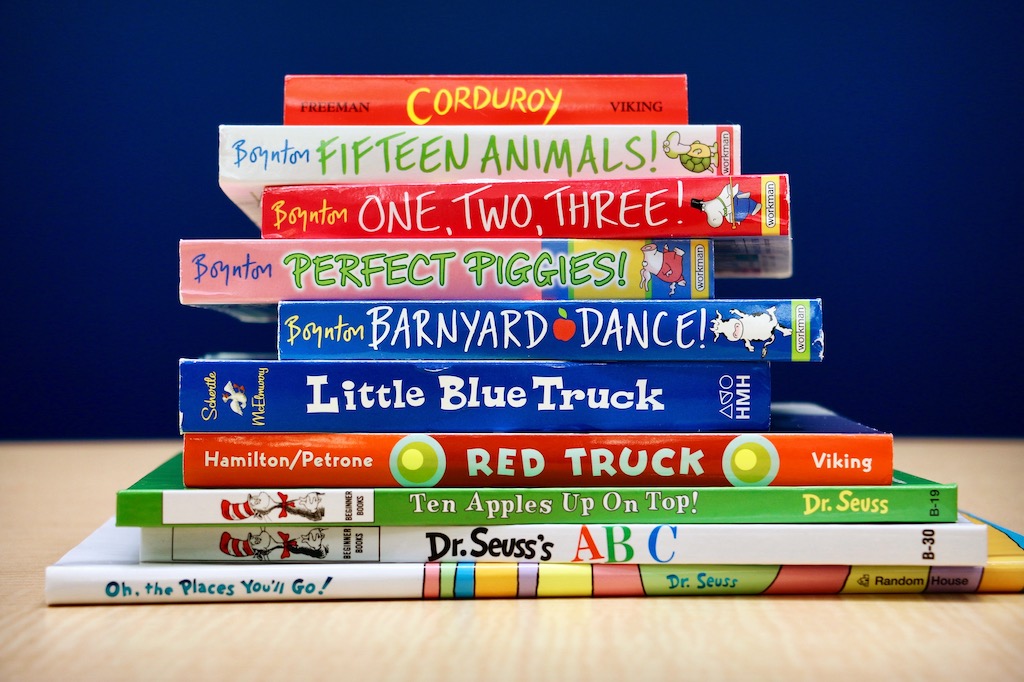
As teachers and parents, we know how important reading is for a child’s development. The right books can spark creativity, boost language skills, and foster a love of learning that lasts a lifetime. In our classroom, we have a collection of books that we absolutely adore because of their ability to engage young minds, teach important lessons, and support early literacy development. Here’s a look at some of our favorite children’s books and why we love them!
1. “The Very Hungry Caterpillar” by Eric Carle
Why We Love It:
This classic is a favorite in many classrooms, and for good reason. The colorful illustrations and rhythmic text make it perfect for young children, helping them to engage with the story while learning about days of the week, numbers, and the life cycle of a butterfly. As the caterpillar eats his way through the story, children can practice counting and learn about healthy eating in a fun and interactive way.
Learning Benefits:
- Teaches counting and days of the week
- Introduces the concept of transformation (metamorphosis)
- Encourages predictability in reading, which is great for early literacy
2. “Brown Bear, Brown Bear, What Do You See?” by Bill Martin Jr. and Eric Carle
Why We Love It:
This simple yet captivating book is perfect for teaching children colors, animals, and patterns. The repetitive and predictable text makes it easy for young readers to anticipate the next page, which builds their confidence and fluency. Plus, the bright, bold illustrations by Eric Carle are sure to capture the attention of little ones.
Learning Benefits:
- Enhances color recognition
- Introduces animals and sounds
- Promotes pattern recognition and repetition for language development
3. “Goodnight Moon” by Margaret Wise Brown
Why We Love It:
A bedtime favorite for many, “Goodnight Moon” is a gentle, soothing story that has become a staple in classrooms and homes alike. Its rhythmic, repetitive text and soft illustrations make it ideal for winding down at the end of the day. The book is a great way to introduce children to the concept of routines and can help them feel more comfortable with the transition to bedtime.
Learning Benefits:
- Encourages familiarity with bedtime routines
- Introduces concepts of opposites (big/small, up/down)
- Develops listening skills through repetition and rhythm
4. “Chicka Chicka Boom Boom” by Bill Martin Jr. and John Archambault
Why We Love It:
This lively and colorful book is a fun way to introduce young children to the alphabet. The catchy rhyming text and energetic illustrations make it easy for kids to remember the letters as they race up the coconut tree. It’s a great book to support early literacy and phonemic awareness.
Learning Benefits:
- Teaches the alphabet in an engaging and memorable way
- Promotes rhyming and phonemic awareness
- Encourages movement and participation, making learning fun
5. “Where the Wild Things Are” by Maurice Sendak
Why We Love It:
This timeless story takes children on an imaginative journey into the world of the Wild Things. Max’s adventure sparks creativity and imagination, while also dealing with themes of emotions, power, and the importance of returning home. It’s perfect for sparking discussions about emotions and helps children understand the value of feeling in control.
Learning Benefits:
- Encourages imagination and creative thinking
- Helps children explore and express emotions
- Promotes vocabulary development with rich language
6. “The Snowy Day” by Ezra Jack Keats
Why We Love It:
“The Snowy Day” is a beautiful story that captures the wonder of a child’s first experience with snow. Its simple yet powerful narrative, combined with the charming illustrations, helps children connect with the world around them. The book also introduces the concept of seasonal changes and the joy of exploration.
Learning Benefits:
- Promotes sensory awareness and exploration
- Encourages understanding of seasonal changes
- Teaches about the beauty of everyday moments
7. “Pete the Cat: I Love My White Shoes” by Eric Litwin and James Dean
Why We Love It:
Pete the Cat’s adventures are always a hit in the classroom! This fun and groovy story about a cat who loves his shoes—no matter what happens to them—helps teach children about perseverance, staying positive, and dealing with unexpected changes. Its catchy, repetitive song-like structure makes it easy for kids to sing along.
Learning Benefits:
- Teaches resilience and a positive attitude
- Promotes self-expression through singing and movement
- Introduces concepts of colors and simple problem-solving
8. “The Pigeon Finds a Hot Dog!” by Mo Willems
Why We Love It:
Mo Willems’ Pigeon series is full of humor and heart, making it a classroom favorite. In this story, the pigeon’s hilarious antics and dramatic reactions teach children about sharing and friendship. The dialogue-driven format encourages interaction, and kids love to mimic the pigeon’s funny expressions and voices.
Learning Benefits:
- Promotes understanding of sharing and social interactions
- Encourages active participation and listening
- Introduces dialogue and character development in storytelling
9. “Last Stop on Market Street” by Matt de la Peña
Why We Love It:
This beautifully written book follows a young boy and his grandmother as they take a bus ride through their neighborhood. The book explores themes of diversity, community, and seeing beauty in the world around you. It’s a wonderful story for encouraging empathy and understanding.
Learning Benefits:
- Teaches about diversity and different perspectives
- Promotes empathy and kindness
- Introduces children to the concept of community
10. “The Day the Crayons Quit” by Drew Daywalt and Oliver Jeffers
Why We Love It:
This clever and humorous book tells the story of a box of crayons who are tired of being used in the same way every day. Each crayon has its own voice and personality, offering a fun way to introduce children to the concept of perspective. It’s also a fantastic resource for discussing colors and creativity.
Learning Benefits:
- Teaches about color names and uses
- Promotes creativity and problem-solving
- Encourages storytelling and character development
Books are a powerful tool in early childhood education, helping children build language skills, expand their imaginations, and navigate the world around them. The books listed here are not only fun and engaging but also support key areas of learning like literacy, social skills, and emotional development. By sharing these books with your child, you’re not just fostering a love of reading—you’re also helping them develop the skills they need to succeed in school and beyond.