
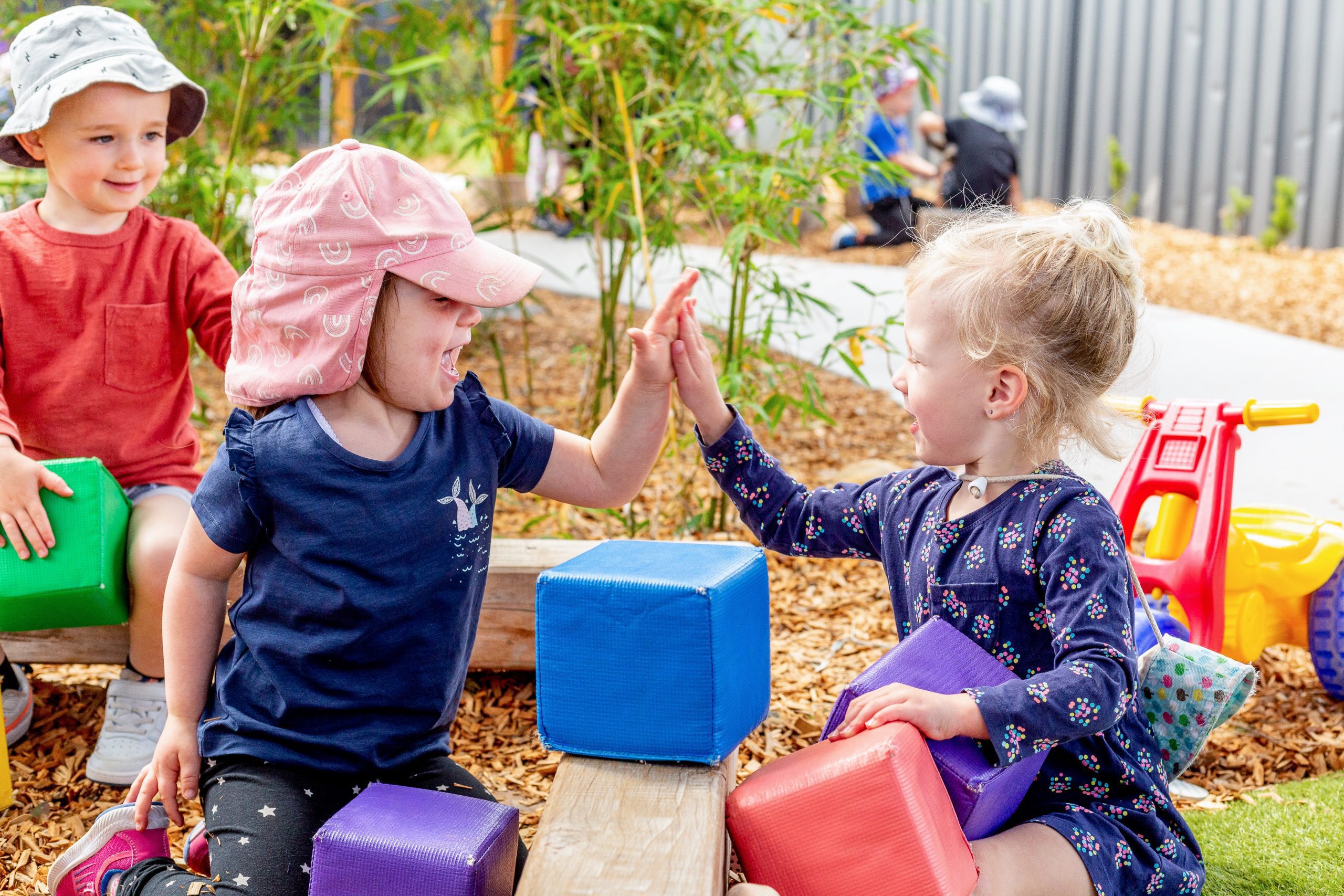
As parents and educators, we know that children thrive in environments that encourage exploration, creativity, and hands-on learning. Play-based learning has become an essential approach in early childhood education, focusing on the idea that children learn best when they engage in meaningful play experiences. At our school, we embrace play as a fundamental part of a child’s development, and here’s why it matters.
What is Play-Based Learning?
Play-based learning is a teaching method that uses play as a tool to help children develop essential skills, from cognitive abilities to social-emotional growth. Rather than traditional instruction, children are encouraged to explore, experiment, and problem-solve through play, which makes learning feel natural and enjoyable. This approach recognizes that learning doesn’t always have to happen in a formal classroom setting—it can happen through building blocks, dress-up games, or even role-playing with peers.
How Play Supports Child Development
- Cognitive Growth
Through play, children learn essential cognitive skills like memory, attention, and problem-solving. Simple activities like building with blocks help improve their spatial awareness and critical thinking skills. Play-based learning allows children to make decisions, follow through with ideas, and see the results of their actions. Whether they’re sorting shapes, counting objects, or engaging in imaginative scenarios, they’re learning without even realizing it! - Social-Emotional Development
When children play with others, they practice communication, cooperation, and conflict resolution. Learning to share toys, take turns, and express their feelings are key components of social development. Play also helps children regulate their emotions, understand empathy, and develop the resilience they need when things don’t go as planned. These experiences build a strong foundation for emotional intelligence and positive relationships. - Physical Development
Many play activities involve movement, whether it’s running, jumping, or building structures. These activities improve fine and gross motor skills, enhance coordination, and help children develop a sense of body awareness. Whether they’re drawing with crayons, balancing on a beam, or playing catch, they are refining their physical skills and becoming more active. - Language and Communication
Play provides a rich environment for language development. Through storytelling, singing, and interacting with peers, children expand their vocabulary, learn how to express their thoughts, and practice conversation skills. Role-play activities, such as pretending to be a doctor or teacher, also support language development by helping children understand new concepts and words within context.
How Our School Integrates Play-Based Learning
At our school, we balance structured learning with ample time for play. We believe that both work hand in hand to support a child’s development. Here’s how we integrate play into our daily routines:
- Classroom Setup
Our classrooms are designed with learning stations that encourage different forms of play. From art corners to science tables and dramatic play areas, each section allows children to explore various activities at their own pace, fostering both independent and cooperative learning. - Incorporating Play into Academics
While we have focused lessons and activities, we incorporate play into all areas of learning. For example, during math time, children might engage in counting games or use play dough to form numbers and shapes. During literacy activities, we encourage dramatic play to act out stories and practice new words. - Outdoor Play
We understand the importance of outdoor play in physical and cognitive development. Our school ensures that children have regular access to outdoor activities, like nature walks, running games, or gardening projects. These activities not only promote physical well-being but also allow for creative and social exploration. - Playful Learning Opportunities
We also embrace playful learning through music, storytelling, and interactive games that encourage teamwork, imagination, and expression. Our teachers serve as facilitators, guiding children through engaging activities that spark curiosity and provide learning opportunities in every interaction.
Why It’s Essential for a Child’s Future
Play-based learning isn’t just about having fun—it’s about preparing children for the future. Through play, children learn how to think critically, solve problems, collaborate with others, and express themselves creatively. These skills are invaluable as children grow older and continue their educational journey. By fostering a love for learning in an environment filled with fun, we help instill a lifelong passion for exploration and discovery.
The Benefits for Parents
When parents see the fun their children are having, they often wonder if they’re learning anything at all. Rest assured, play-based learning is packed with developmental benefits, even though it may not look like traditional “schoolwork.” We encourage parents to ask their children about their play-based activities, as this often leads to meaningful conversations about what they learned in a fun, relaxed way.
Play is the work of childhood, and it’s one of the best ways for young children to make sense of the world around them. By incorporating play into our school’s curriculum, we provide an environment that nurtures every aspect of a child’s development—intellectual, physical, emotional, and social.