
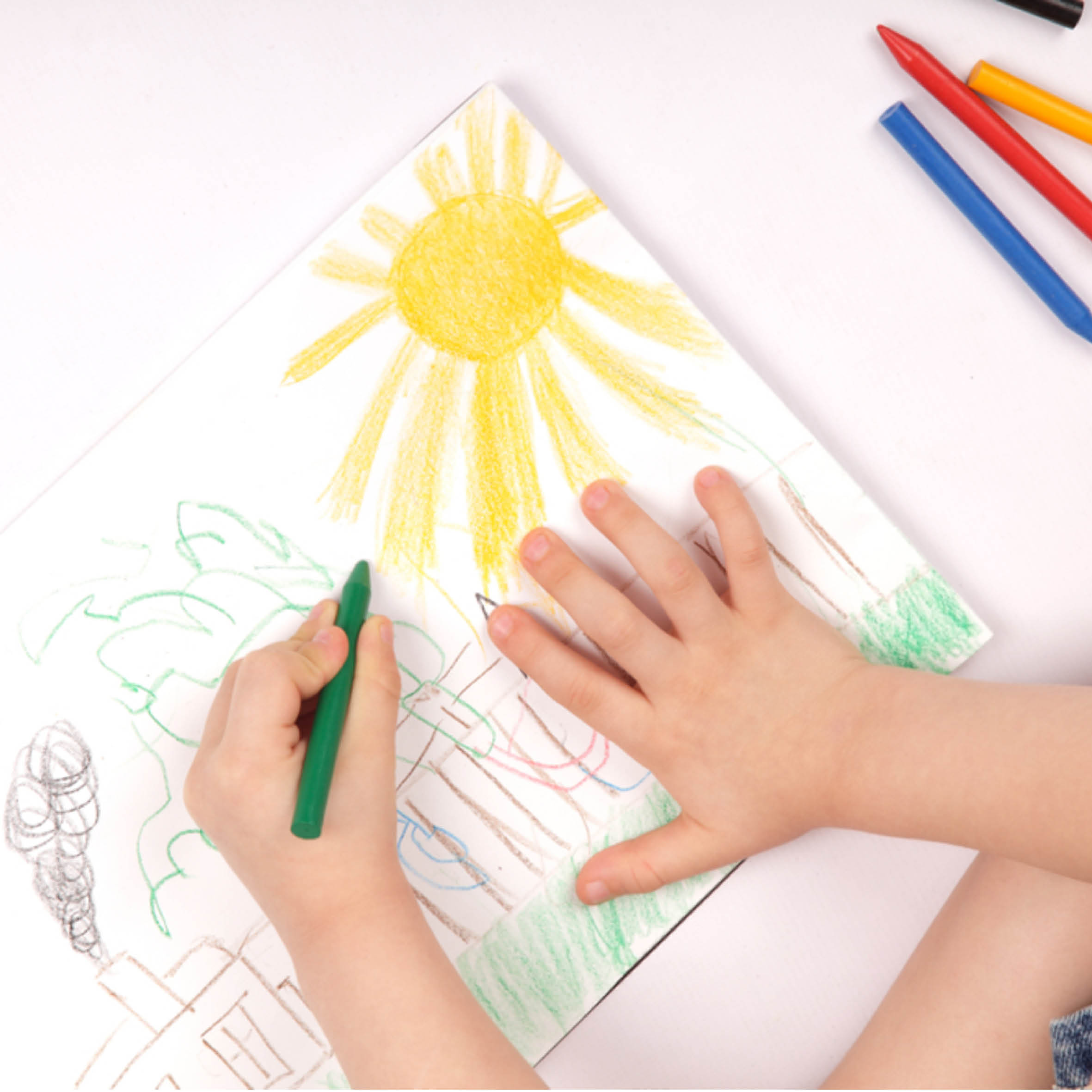
As parents, we often find ourselves marveling at our child’s colorful creations. Whether it’s a sketch of a house, a family portrait, or something abstract, these drawings are more than just art—they provide us with valuable insights into our child’s developing mind.
While every child’s artistic expression is unique, their drawings can offer a peek into their emotional world, cognitive development, and even how they perceive the people around them. Let’s dive into what different aspects of your child’s drawings might reveal about them.
1. Shapes and Forms
The basic shapes a child uses in their drawings often indicate how they view the world around them. For example:
- Straight Lines: Children who frequently use straight lines might be focused, organized, and prefer structure in their environment.
- Curved Lines: Curves might indicate a more imaginative and free-spirited approach to life.
- Circular Shapes: If a child draws a lot of circles, it could symbolize a need for security and comfort.
2. The Use of Color
Colors play a significant role in how children express emotions. A child’s color choices can be a mirror of their mood or emotional state.
- Bright Colors (Red, Yellow, Orange): These often reflect happiness, excitement, and a high energy level.
- Darker Colors (Blue, Black, Brown): A preference for darker tones may indicate feelings of sadness, introversion, or a need for comfort.
- Pastels: Softer colors like pastels can represent calmness, sensitivity, or a peaceful nature.
3. Drawing People and Relationships
When children draw family members or figures, their placement, size, and the interactions between them can reveal how they feel about their relationships.
- Size of Figures: Larger figures may suggest that a child sees that person as important, or perhaps they look up to them. Smaller figures might indicate a sense of insecurity or a desire for attention.
- Proximity to Others: If a child places themselves far from their family members in their drawings, it might suggest feelings of isolation or a need for more independence. Conversely, being close to family in the drawing may indicate a strong attachment or need for support.
4. Scenes and Environments
The settings children choose for their drawings can also be telling. A drawing of a peaceful home might reflect a child’s contentment and stability, while an image of a chaotic scene could point to stress or confusion.
- Outdoor Settings: Drawings of nature or wide-open spaces can suggest a love for adventure and exploration.
- Buildings and Homes: A focus on home life and structures might indicate a child’s desire for safety, routine, and security.
- Absence of Background: Some children may choose not to draw a background, which could imply that they are more focused on their inner world or immediate concerns.
5. Repetition of Themes
Children often repeat specific themes in their drawings. If a child keeps drawing the same object, animal, or scene, it could point to something significant in their life that they are trying to understand or process. For example, a child who repeatedly draws their pet might be working through their attachment to the animal or expressing comfort in their presence.
6. The Evolution of Art
As your child grows, so will their artistic expression. Early drawings tend to be very basic, often just scribbles or shapes, which is a sign of developing fine motor skills and creativity. As they age, their drawings become more detailed, and you’ll start to see more realistic depictions of people, objects, and scenes. This progression shows cognitive growth and an increased ability to understand the world.
What You Can Do with This Information
While it’s fascinating to interpret your child’s drawings, it’s essential to approach these insights with understanding and support. If your child’s artwork reveals concerns, such as feelings of isolation or anxiety, it might be helpful to engage in a conversation to better understand their emotions. Encouraging open dialogue can help address any issues and offer reassurance.
It’s also a great idea to provide a space where your child can express themselves freely through art. Allow them to choose what to draw, without judgment, as this fosters creativity, self-expression, and emotional intelligence.
In the end, a child’s drawings offer a window into their mind. By paying attention to the details—shapes, colors, figures, and themes—you can better understand their thoughts, feelings, and development. Remember, each piece of artwork is a reflection of their evolving world, and with a little imagination, you can gain valuable insights into their psychological growth.